The World Health Organization said the attacks averaged more than four a day between January and August, resulting in at least 900 deaths and more than 1,400 injuries. The incidents include bombardments, destruction of medical facilities and the detention or abduction of healthcare workers. Ninety-four healthcare workers have been detained this year, according to the WHO data cited by Reuters.
The consequences extend beyond immediate casualties. Damaged hospitals reduce the capacity to treat injuries, manage chronic conditions and respond to infectious diseases. In Gaza, Reuters reported that all hospitals have sustained damage, with only about half still partially functioning. In Sudan, 37% of health facilities are non-operational.
The deterioration of healthcare infrastructure also creates wider economic and institutional risks. Governments and humanitarian organisations face higher costs as medical services become more difficult to maintain, while businesses operating in conflict-affected economies face a weaker workforce, disrupted supply chains and reduced access to basic services.
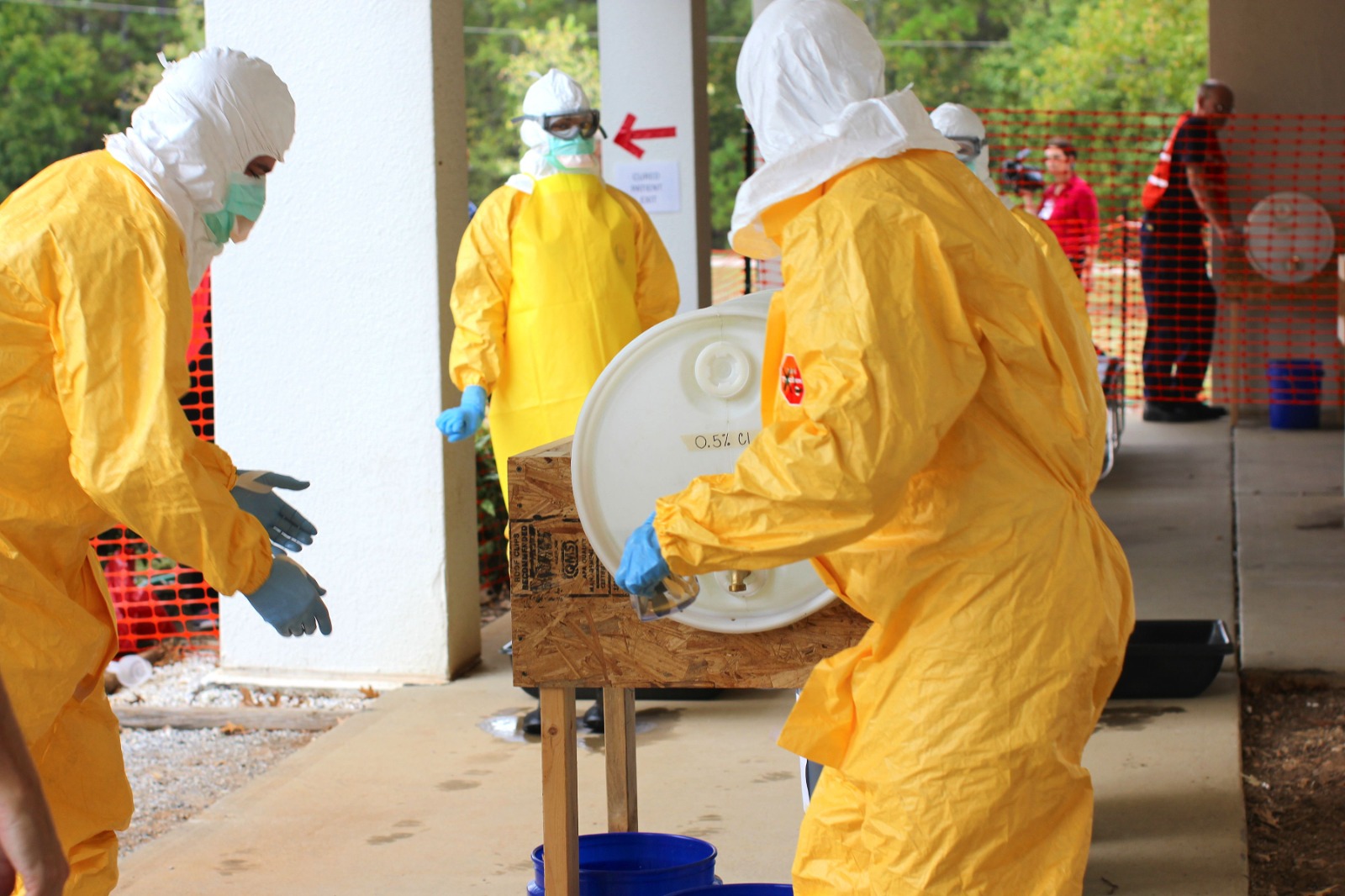
The disruption can also undermine disease surveillance. Reuters noted that attacks on medical facilities in Congo have affected Ebola surveillance and care efforts, illustrating how conflict can turn a local health emergency into a broader containment challenge.
International humanitarian law provides protections for healthcare workers and facilities during conflict. Yet the WHO said more than 10,400 attacks have been verified since it began documenting incidents in 2018, with no accountability procedures recorded for those attacks.
For policymakers and investors assessing fragile markets, healthcare resilience is therefore becoming part of a broader assessment of institutional capacity. The ability to maintain hospitals, disease surveillance and medical supply chains can influence a country's economic resilience as much as physical infrastructure.
What to watch: The frequency of attacks, hospital operating capacity, healthcare-worker availability and disease surveillance in conflict zones will remain important indicators of humanitarian and institutional resilience.