ASML reported third-quarter net sales of €11.7 billion and net income of approximately €5.0 billion. Its gross margin reached 57.5%, compared with 54% in the previous quarter, while revenue increased from €9.3 billion in the second quarter. The company sold 113 new lithography systems during the period, up from 86 in the preceding quarter.
The company expects fourth-quarter net sales of between €14.2 billion and €15.2 billion, with a gross margin of around 57%. Its full-year 2026 sales forecast is now between €44 billion and €45 billion, with a gross margin of approximately 56%.
ASML supplies lithography equipment, software and services used by semiconductor manufacturers to produce the intricate patterns that form integrated circuits. Its position in the supply chain makes its performance an important indicator of investment in chipmaking capacity.
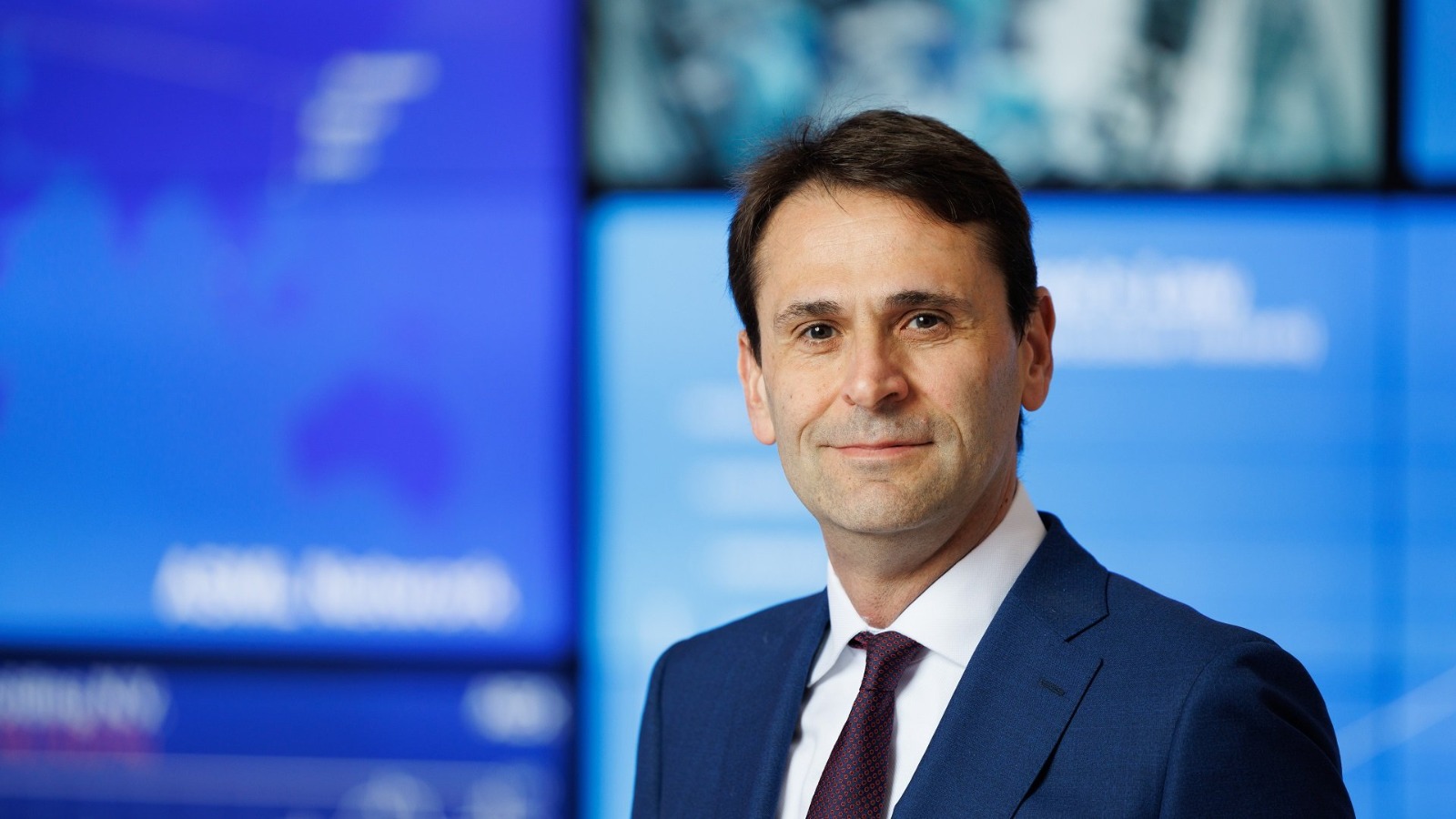
Chief Executive Christophe Fouquet said customers were increasing their short- and medium-term equipment demand forecasts, primarily because of their expectations for the scale and duration of AI-related investment. Some customers were already expressing interest in placing orders for 2029 and 2030, according to the company.
ASML said its currently planned supply for 2027 and 2028 would not fully meet anticipated customer demand. It is investigating options to expand capacity for 2028 beyond a previously communicated increase of 30%, highlighting the challenges of responding quickly to a capital-intensive and technologically complex market.
The outlook reflects the wider expansion of AI computing infrastructure, which requires advanced processors and substantial investment in manufacturing equipment. Demand expectations are encouraging for suppliers, but the industry's long-term performance will also depend on whether chipmakers can translate investment into sustainable revenue and profits.
The risks are not limited to demand. Semiconductor supply chains remain exposed to trade restrictions, geopolitical tensions and the high cost of expanding production. Any slowdown in AI investment could also alter customers' equipment plans.
ASML's latest forecast signals confidence in near-term demand, while its capacity warning underlines a central challenge for the industry: aligning the pace of manufacturing expansion with customers' increasingly ambitious technology plans.